$2,896 Per credit
$28,664 Per term (10-12 credits)
*For Fall ’26 or Spring ’27. See NYU Bursar site for more info.
Make a Positive Impact on the World
Learn from top global affairs practitioners and industry experts how to develop and deliver holistic solutions for a sustainable future across a wide range of fields including energy, agriculture, water, food systems, tourism, real estate, climate change adaptation and mitigation, and global finance. NYU’s MS in Sustainability and Global Energy Practice is a professional, hands-on practitioner-oriented program.
Offered by NYU SPS's Center for Global Affairs, the program provides a strong foundation in sustainability management principles and issues in global energy systems like energy systems analysis, renewable energy technology and environmental studies. Use key performance indicators, measurement tools, and reporting methods as policy experts use them in government, NGOs and the private sector.
Networking activities, experiential learning and consulting practicums will enhance your capability to develop innovative solutions to real-world challenges while understanding the environmental and social factors guiding decision-making.
Tuition*
Number of Credits
30 credits
Study Options
Online: may be completed 100% online
Hybrid: choose a mix of online and onsite courses
Onsite: all courses onsite
Onsite | Hybrid
Fall or Spring Start
Full-time | Part-time
Minimum Duration
15 months
STEM
See STEM site for more info
9.4%
job growth 2024-2034
$80,300
median salary
87%
working and/or in school
1,962
global CGA alumni

Why This Degree?
Graduate students build powerful networks and gain deep understanding of sustainability policy, environmental impact and energy management.
Where This Degree Can Take You
From SPS, a wide range of career paths are open to graduating professionals.
Top employers of graduates with MS degrees in Sustainability:
- Government agencies
- Universities
- Accenture
- Merck & Co.
- WSP Global
- Amazon
- Thermo Fisher Scientific
- Ryder
- Johnson and Johnson
- Ford
- Black & Veatch
- Hitachi
- Danaher
- Paycom
- Catholic Charities USA
- HCA Healthcare
- Meta
- Astellas Pharma
- MFA Oil
Occupations for holders of MS degrees in Sustainability
- Sustainability management
- Climate risk analysis
- Energy Financial analysis
- Project Management
- Program Management
- Environmental Science
- Environmental Planning
- Environmental Protection
- Economist
- Regulatory Affairs
The above data is sourced from Lightcast
Funding Opportunities
Investing in your education is a critical step toward driving meaningful environmental and social change. We are committed to supporting our students through a range of scholarships, fellowships, and university-wide grants designed to help make your Master’s degree accessible.
Application Deadlines
Real World Experiences
Your journey might begin in the classroom, but we ensure that you can learn through experience—rolling up your sleeves and taking your studies to the real world. The program encourages students to approach sustainability challenges in a creative way, integrating the art of innovative problem-solving with science and management.

Summer Fellowships
Apply to the fellowship program to join CGA faculty, sustainability experts and other fellows working to solve an environmental, energy or sustainability problem for a business or an organization.
Learn More about Summer Fellowships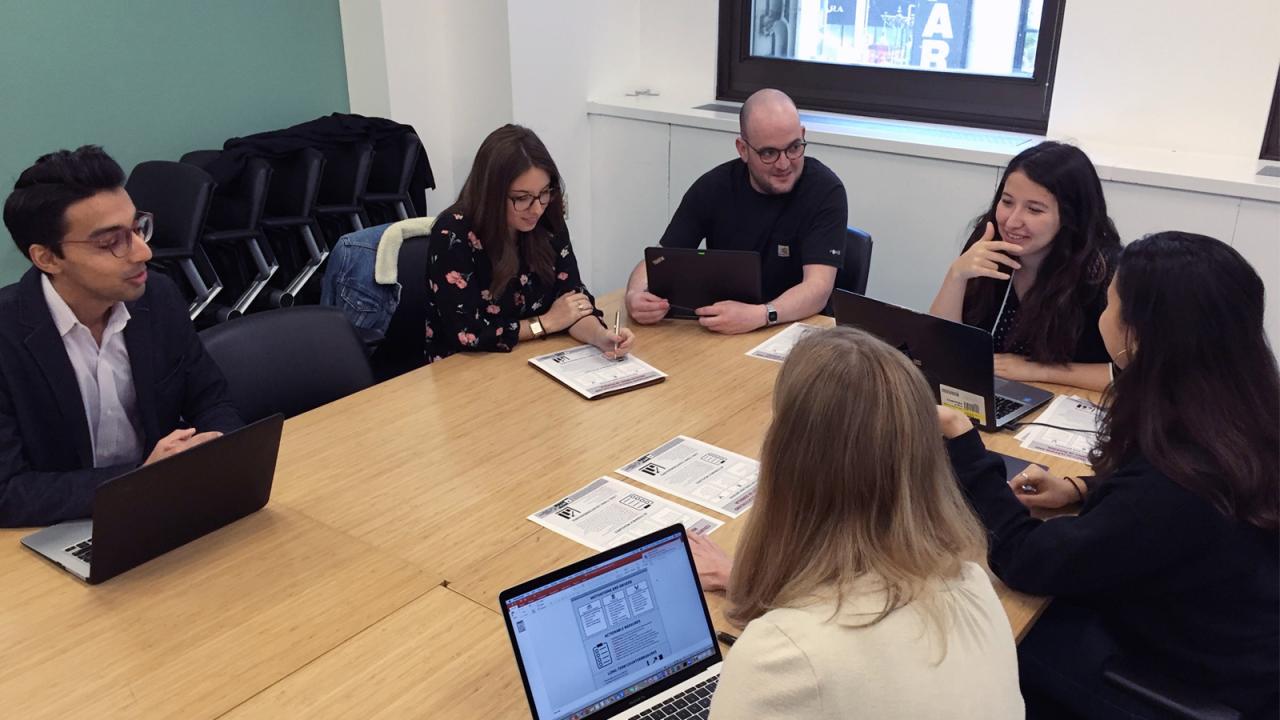
Consulting Practicums
Consulting practicums immerse students in real-world challenges by partnering with leading organizations -- such as the United Nations Foundation, the U.S. State Department, and private sector firms. Students build essential consulting and analytical skills, collaborate with practitioners, and craft projects that significantly boost career readiness. Practicums are credit bearing and serve as opportunities to turn analysis and insights into real world impact.
Learn More about Consulting Practicums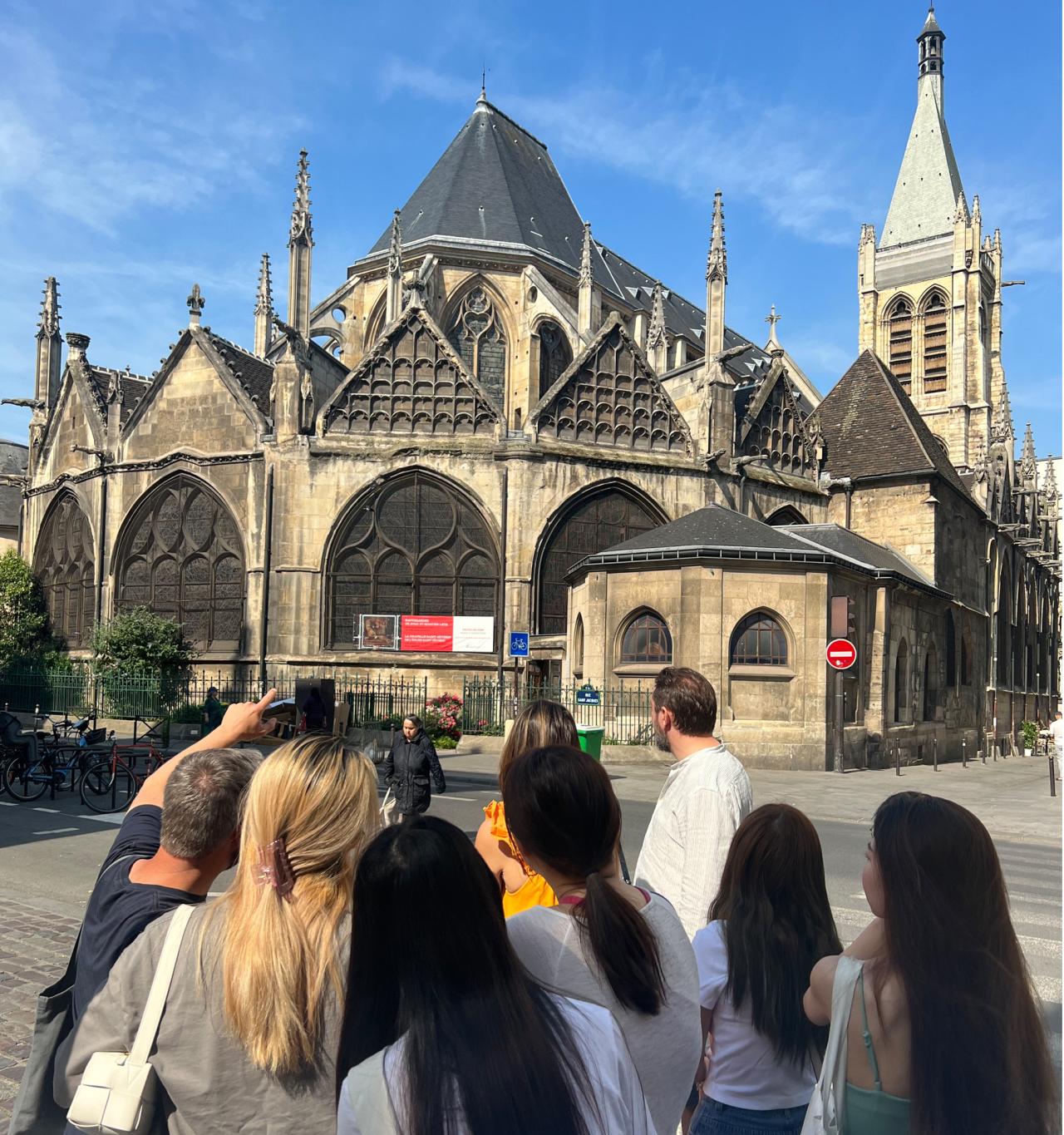
Global Field Intensive
Travel with your fellow students and earn in real time about trends in politics, economics and societal change
Learn more about Global Field IntensivesAlumni
You’ll find CGA graduates in roles across many different companies and industries leveraging their skills to continue unlocking potential.
CGA profoundly transformed my understanding of environmental policy and its instruments."
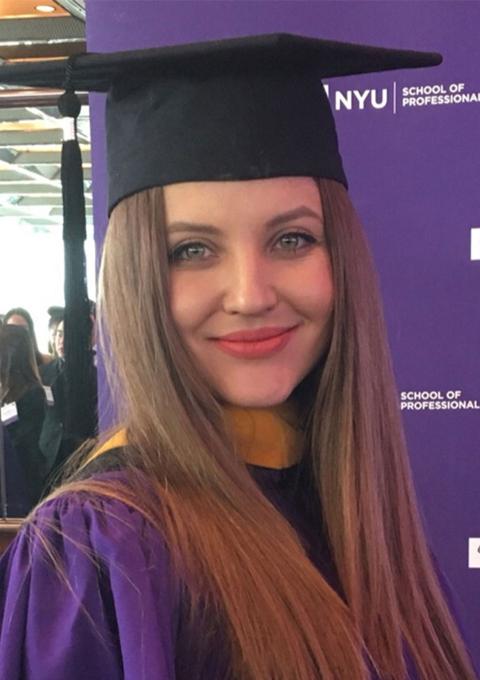
CGA profoundly transformed my understanding of environmental policy and its instruments."
I am proud to be part of a network of incredible changemakers globally."


I am proud to be part of a network of incredible changemakers globally."
Faculty
Our professors are masters of the classroom, but what they teach comes directly from their own experience in human capital management.
View Faculty DirectoryWe are living in such an uncertain, transformational time. I am excited to share the roadmap sustainability offers into the best possible future."


We are living in such an uncertain, transformational time. I am excited to share the roadmap sustainability offers into the best possible future."
We can't solve the world's problems with the same solutions we've used in the past."
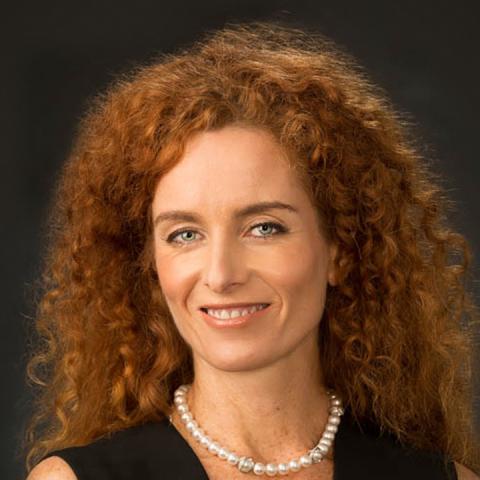
Carolyn Kissane
Clinical Professor and Associate Dean, Center for Global Affairs
Read Carolyn's Story
We can't solve the world's problems with the same solutions we've used in the past."
The question is not whether change is coming. The question is who is prepared to shape it.”
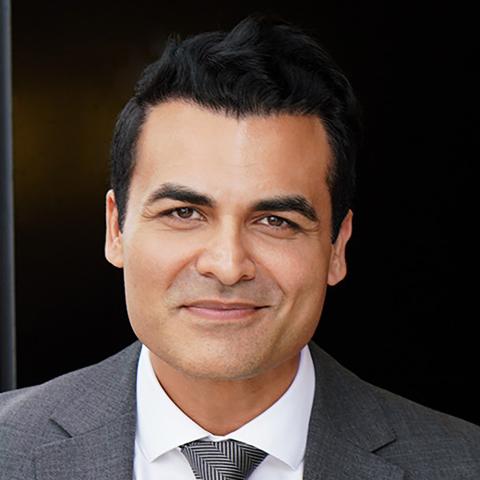
Suhail Y Tayeb
Director, Center for the Sustainable Built Environment, Schack Institute of Real Estate
Read Suhail Y's Story
The question is not whether change is coming. The question is who is prepared to shape it.”
We need more smart people out there making a compelling case for sustainable development.”
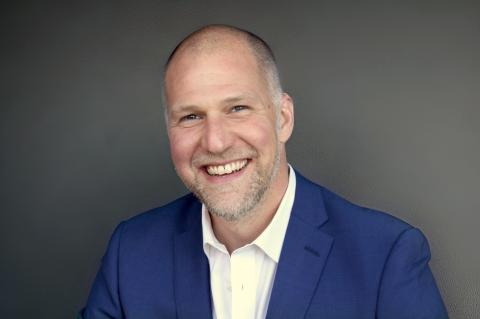
We need more smart people out there making a compelling case for sustainable development.”
The problems are urgent, and there's meaningful work to be done right now.”

The problems are urgent, and there's meaningful work to be done right now.”
Sustainability in Action
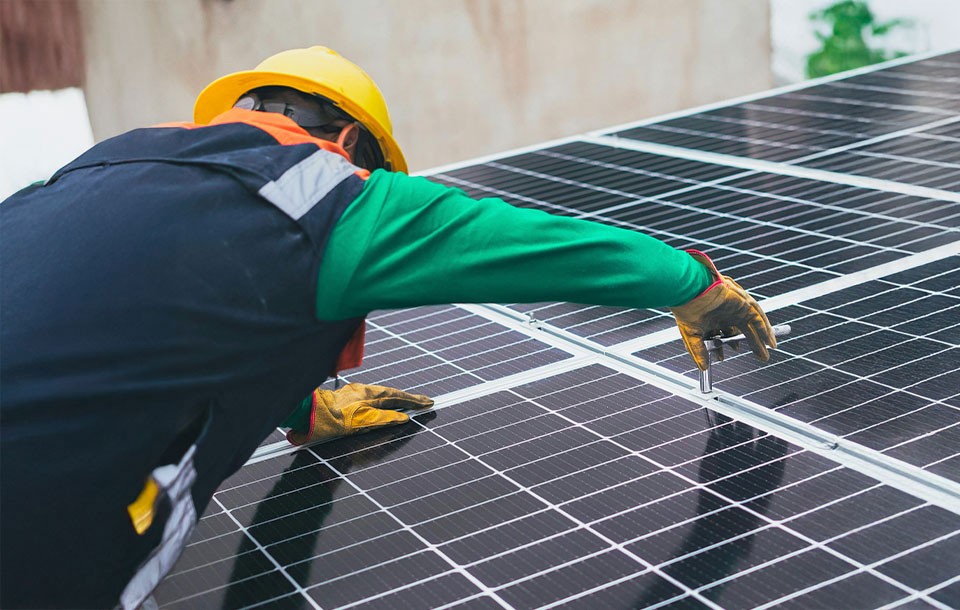
Global Energy, Climate, and Sustainability (GECS) Lab
The GECS Lab seeks to understand and address the impact of climate change on food, water, energy, security, environmental justice and economic development. Organized as a virtual educational and research platform, the Lab allows students to learn how to address climate change in an effective, just, well-informed and evidence-based manner.
Learn More about the Global Energy, Climate, and Sustainability (GECS) Lab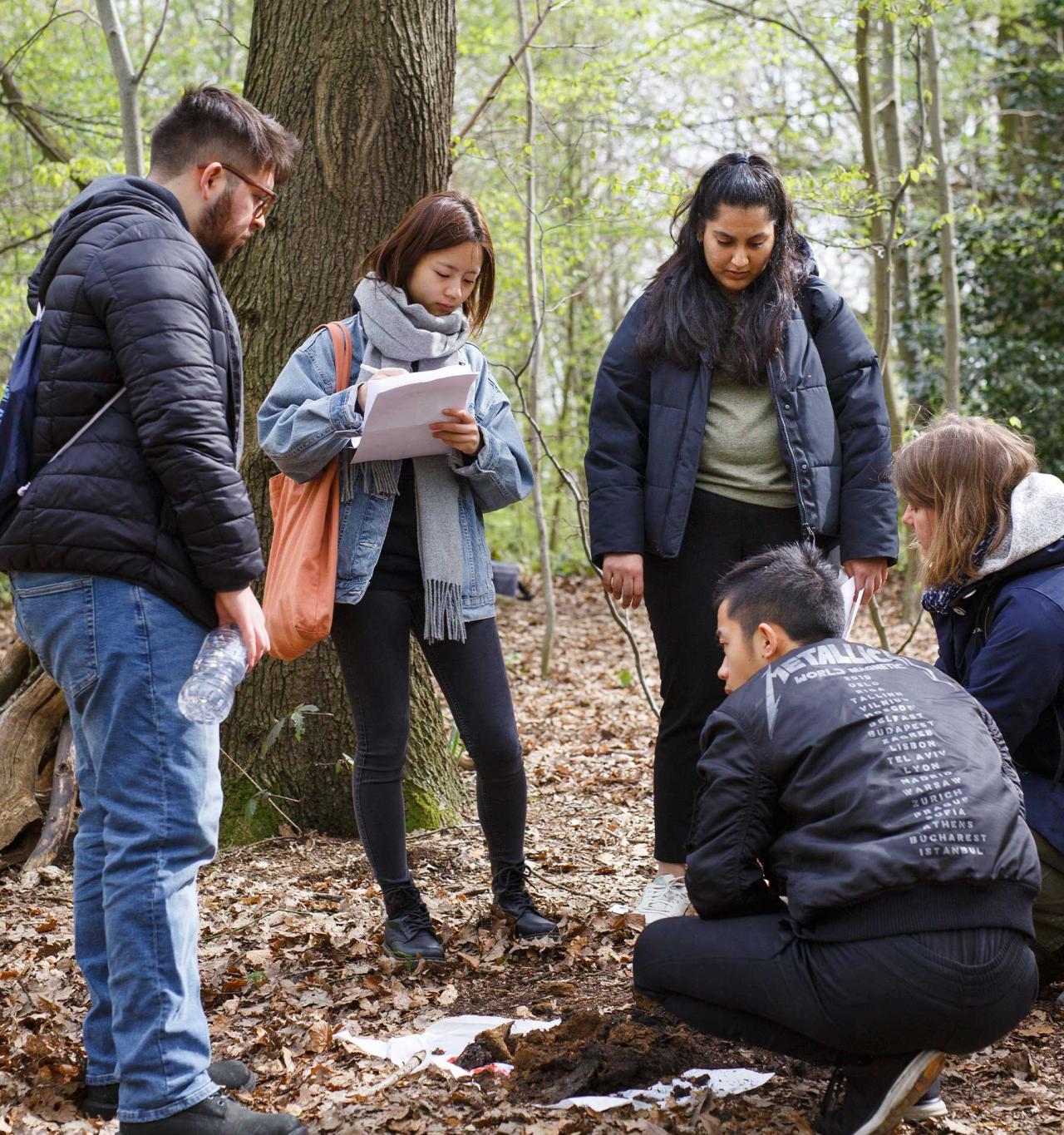
Center for Sustainable Built Environment
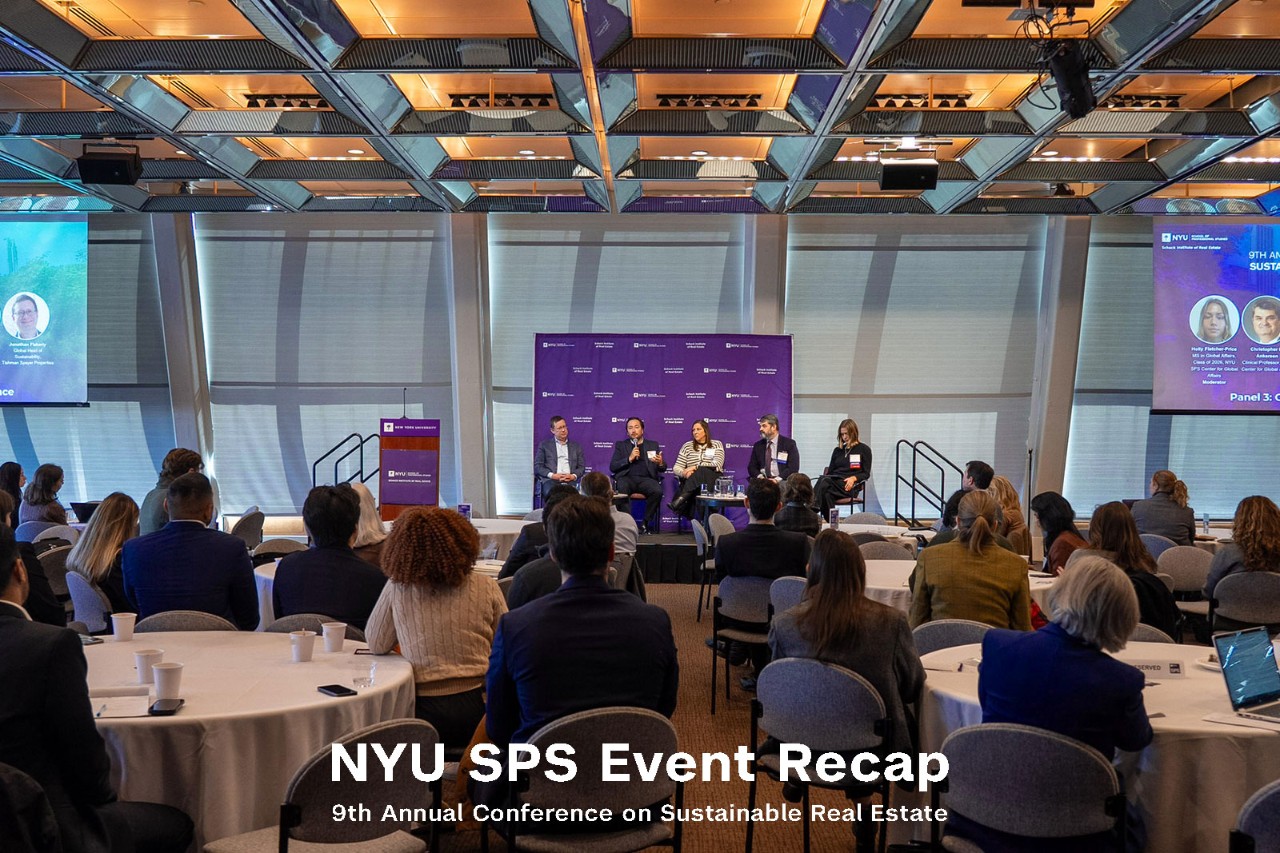
The Center for the Sustainable Built Environment aims to fill the growing demand for sustainable development by advancing the study and practice of sustainability across all disciplines of professional real estate. Whether it’s helping eligible developers think creatively about sustainability or analyzing the impacts of real estate supply chains, the Center helps students create a greater outcome for their own futures.
Learn More about the Center for Sustainable Built Environment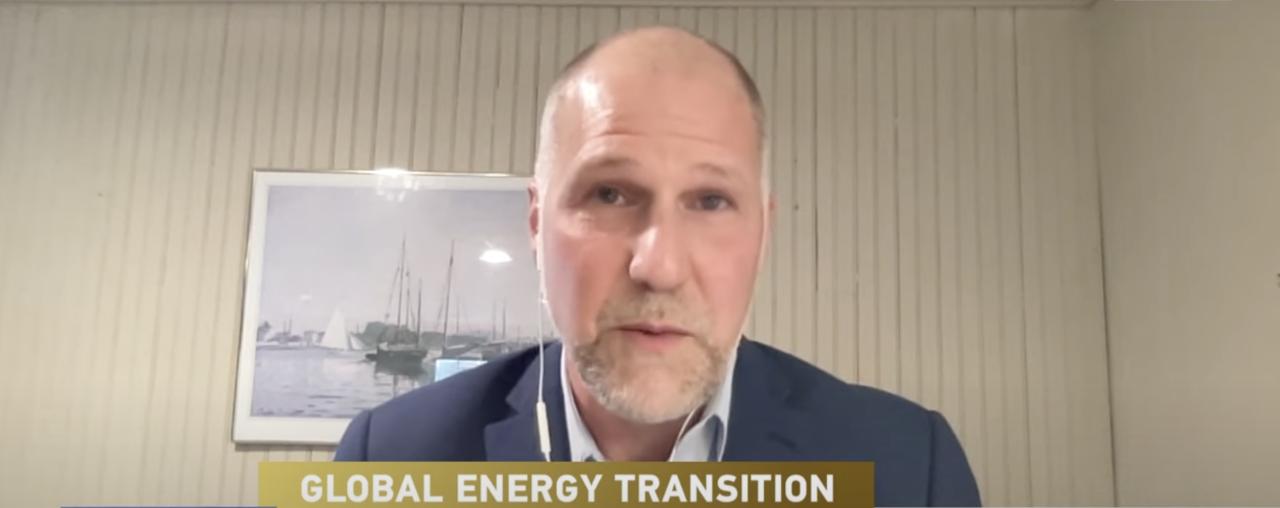

Dive Deeper
Frequently Asked Questions
Sustainability and Global Energy Practice as a career
Why get a degree in sustainability and global energy practice?
Sustainability challenges to public policy, markets and corporate strategy are expected to be a $10 to $20 trillion opportunity in the coming years as consumers demand sustainably-produced products and climate change, resource depletion, and geopolitical instability demand a new generation of professionals trained to address complex, interconnected issues. Experts expect sustained growth in green jobs and sustainability management processes over the coming decades.
The program prepares you with the policy knowledge, analytical skills, systems engineering ability and hands-on experience to work in government policy, corporate sustainability, clean energy development, global finance, real estate or infrastructure development, climate adaptation, human rights advocacy, corporate sustainability, renewable energy, carbon markets, and consulting, among others.
What degree do you need for a career in sustainability and global energy practice?
Market research demonstrates that there is a clear set of skills that are needed for individuals to succeed as professionals in energy and sustainability fields. Leadership roles require education in qualitative and quantitative methods, data analysis, and research design as well as an understanding of sustainable energy systems, environmental risks, energy policy and technological developments Job candidates need to be proficient in key performance metrics and reporting, project planning and regulatory compliance, and risk analysis and analytics.
A Masters degree like the NYU SPS Masters of Science in Sustainability and Global Energy Practice covers all of these skills and methods and will prepare graduate students to have greater impact within their organizations and wider society.
What is a master’s in sustainability and global energy practice degree?
NYU’s MS in sustainability and global energy practice is a hands-on, practioner-oriented degree that uses a combination of instruction on foundational energy and sustainability concepts with experiential learning on real world problems through internships, global field intensives and consulting practicums with corporations, NGOs, government entities, and multilateral organizations. The degree prepares students to be able to develop and implement comprehensive sustainability solutions across a wide range of economic sectors such as energy, real estate, finance, food systems, tourism, and human rights.
Are sustainability and global energy practice degrees in demand?
Yes, job postings in this field have been increasing at a almost double the rate of growth of the supply of green talent according to job platform LinkedIn. Job growth in the field is projected by Lightcast to grow over 9% through 2034. A substantial gap exists between qualified individuals and roles being sought by employers. The NYU School of Professional Studies Master of Science in Sustainability and Global Energy Practice[1] prepares skilled individuals to bridge the divide between technical and scientific knowledge and practical implementation of energy and sustainability solutions for maximum societal impact. For those looking to further enhance their ability to make data-driven decisions in this area, the Certificate in Data Analytics offers valuable skills in data analysis and visualization to drive impactful outcomes.
How does NYU SPS’s sustainability degree differ from other university programs?
NYU’s program is practice-oriented and captures the broad requirements of the entire cross disciplinary field, rather than narrowing in on any particular specialized area that requires specific engineering technical training. Our flexible curriculum enables you to create a custom education tailored to your individual professional goals across a wide range of fields including: the built environment, energy and climate change social justice and inequality, peace and security, food systems, sustainable finance, and economic development. You and your advisor may even choose up to two courses from other schools at NYU. Also a Master’s in Business often misses the social and environmental qualitative aspects of sustainability practice.
What internships are available to sustainability and global energy practice students?
Students can choose between internships in a variety of different kinds of institutions including international multilateral organizations, major global corporations and financial institutions, local community based organizations, and real estate developers.
Is the MS in sustainability and global energy practice a STEM degree?
Yes, the Master of Science in sustainability and global energy practice is designated as a STEM degree.
What benefits does this program offer as a STEM degree?
The STEM designation equips sustainability and global energy practice degree graduates with in-demand analytics skills in the growing sustainability and energy industries. Our coursework blends both qualitative and quantitative education with emerging technologies and adaptability—making our graduates fiercely competitive in the job market, especially for international students.
How do the specializations work with this degree?
In addition to completing four core courses, students work with their individual faculty advisor to select electives that best meet their career aspirations. Four recommended specializations include:
- Sustainability Fundamentals and Practice
- Energy Systems
- Sustainable Buildings, Urban Systems and Technology
- Sustainable Finance and Analytic
What kinds of student support is available for students in this program?
The Master’s in Sustainability and Global Energy Practice is dedicated to supporting students’ academic and personal development throughout their graduate journey. The program offers a wide range of support services, including personalized academic advising, career counseling, and mental health resources, to help students choose courses and navigate the demands of graduate study.
Students also benefit from workshops, seminars, and networking events led by sustainability professionals and field experts, providing valuable opportunities to develop practical knowledge and connect with practitioners. By fostering a collaborative and inclusive environment, the program ensures that students receive the support they need to thrive both personally and professionally, and to develop the expertise required to excel in their professional studies.
The global alumni network across all the Masters degrees from NYU SPS Center for Global Affairs includes over 1900 graduates working in a broad range of global affairs disciplines.
Admissions, Tuition and Financial Aid Information
What are the admission requirements for this program?
Applicants need a BA or BS degree plus demonstrated interest in sustainability such as internships, work experience, related coursework or a strong statement of interest and evidence of knowledge of data software and data analysis.
Detailed information about the application processHow do I qualify for guaranteed admission?
Applicants must have a related BA or BS degree from a New York state accredited institution of higher education.
Are there information sessions where I can learn more about this program.
Yes, virtual and in-person information sessions are aimed at providing prospective students with program details, curriculum insights, and information about career opportunities, networking opportunities, and experiential learning through global field intensives, consulting assignments, internships. You will have time to ask your questions to admissions and program staff.
How do I learn more about admissions to NYU SPS?
See our graduate admissions and financial aid webpages.
How much does the sustainability and global energy practice master’s degree cost?
The cost of an sustainability and global energy practice master’s degree program varies depending on the number of credits (units) and whether you are attending the university part-time or full-time.
NYU SPS Tuition pageHow long does it take to earn the MS in sustainability and global energy practice?
The sustainability and global energy practice degree program typically takes 1.5 years to complete as a full-time student.
What kinds of financial aid and scholarships are available?
The program offers a robust suite of financial aid and scholarship opportunities to help students achieve their academic and career goals.
More information about graduate degree tuition and financial aidAre there any funding opportunites?
Investing in your education is a critical step toward driving meaningful environmental and social change. We are committed to supporting our students through a range of scholarships, fellowships, and university-wide grants designed to help make your Master’s degree accessible.
Learn More