
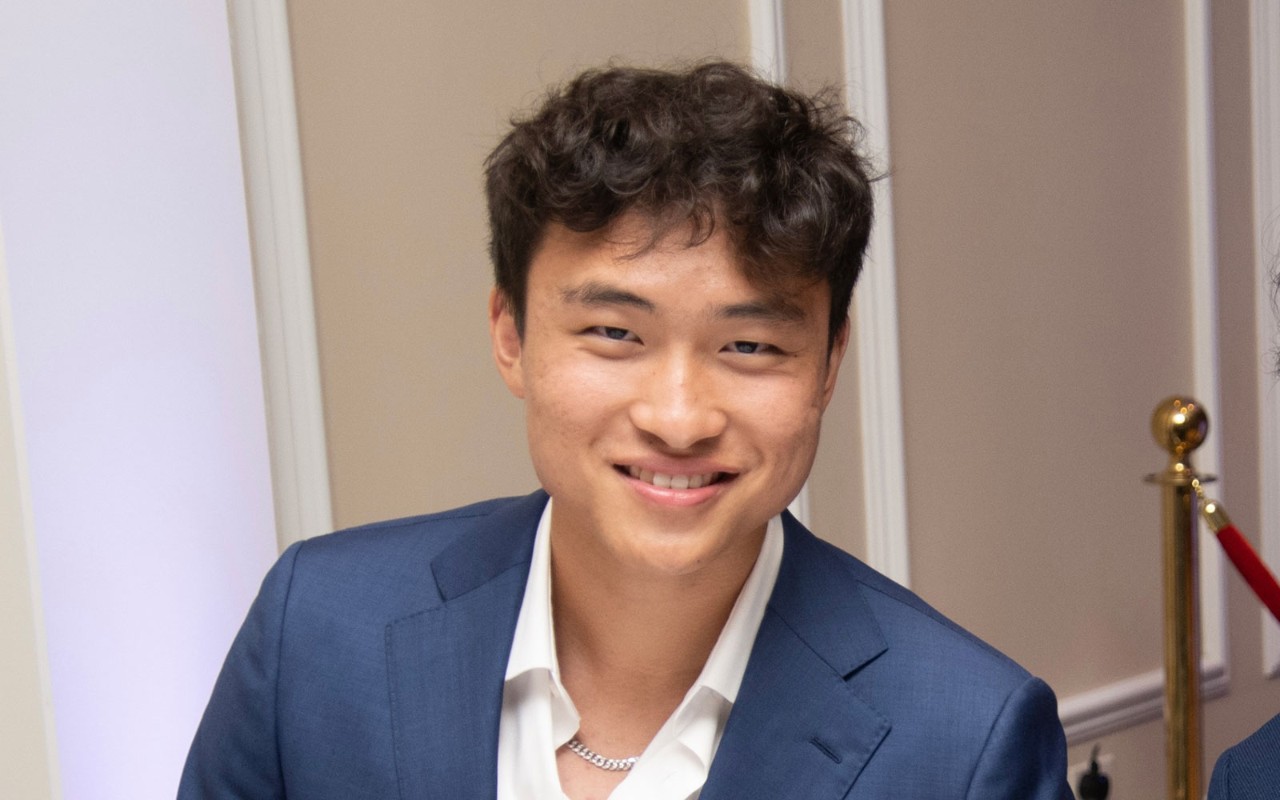
<p><i>We.Tour is one of the finalists in the HI Hub Incubator Program. Jerry Da tells us more about the business.</i></p>
<p><span class="p-body"><b><span class="p-body-large-bold">What product or service does We.Tour Offer?</span><br>
</b>We’re a very simple and straightforward platform. I’ve lived in Hong Kong for about several years and know the restaurants, museums, and popular spots very well. When friends or family visit, I take them around, plan their trips, and show them local highlights — but I realized I wasn’t getting paid for that kind of work. That’s how We.Tour was born. We function as a marketplace that connects tourists with local college students who can serve as part-time tour guides. Students can either create their own tours (like “A Taste of Chinatown”) or simply offer themselves as private guides. They set their own prices and availability, while our platform handles bookings and connects them with travelers. Essentially, we act as the middleman between tourists and local student guides.</span></p>
<p><span class="p-body"><b><span class="p-body-large-bold">How did you come up with the idea for this business?</span></b><br>
The idea came to me while driving in Boston. My family often hires tour guides when traveling, and a friend of mine in Boston does the same. I thought — what if getting a tour guide could be as easy as ordering an Uber? That sparked the idea of an “Uber for tour guides.” After researching, I noticed that there wasn’t a service connecting tourists with local college students who know the city well and can offer affordable, personalized tours. Traditional private guides often charge around $100 per hour. Our goal was to make guided experiences more accessible while giving students a chance to earn income.</span></p>
<p><span class="p-body"><b><span class="p-body-large-bold">Why did you decide to participate in the HI Hub Incubator Program?</span></b><br>
When we first started developing We.Tour, I looked for resources within NYU SPS, since we have strong hospitality and tourism programs. I discovered Professor Karaburun (“Dr. K”), met with him in March, and shared my idea. He loved that We.Tour could give college students new opportunities to earn income while using their free time productively — paying for tuition or other needs. He encouraged me to apply to the Incubator Program, and that’s how I joined.</span></p>
<p><span class="p-body"><b><span class="p-body-large-bold">What do you enjoy most about creating your own startup?</span></b><br>
Starting a business is a journey filled with risk, time, and effort. You’re constantly thinking about your startup — when you wake up, eat, or even work out. What I enjoy most is seeing progress. After months of work, even a small milestone feels rewarding — like finding the right path in a forest. It’s about building something, meeting people, learning new things, and solving real problems. Those moments of progress make all the hard work worth it.</span></p>
<p><span class="p-body"><b><span class="p-body-large-bold">What advice would you give someone who’s thinking about founding a startup?</span></b><br>
Just do it. If you have a genuine idea that excites you and you’ve validated it through conversations or research, take the risk. When you start a business, you’re like a scientist — testing whether your hypothesis works. Failure is always possible, but if you never try, failure is guaranteed. Manage your time well, stay disciplined, and be obsessed with the process. Startups demand sacrifice, but the experience is incredibly valuable.</span></p>
<p><span class="p-body"><b><span class="p-body-large-bold">What is something you hope to learn through this process?</span></b><br>
I’m constantly learning. The incubator experience pushes you to figure things out through trial and error. The biggest lesson I hope to gain is how to make better decisions — understanding what information matters most, how to evaluate options, and how to ensure we’re moving in the right direction. Ultimately, learning how to make smart, informed choices is one of the most valuable skills in both startups and life.</span></p>
<p><span class="p-body"><b><span class="p-body-large-bold">What does the future of your startup look like in an ideal world?</span><br>
</b>In the next five years, we hope to expand across the U.S. and eventually globally. We want to show college students that being a tour guide can fit naturally into their schedules and help them develop skills in leadership, communication, and adaptability. Our goal is for college students to lead a significant portion of the private tour market, beginning in New York City, then expanding to cities like Boston and Chicago. If the U.S. model succeeds, we want to bring We.Tour to other countries, empowering students worldwide to earn income while connecting with travelers.</span></p>
<p><span class="p-body"><b><span class="p-body-large-bold">Have you worked with any alumni or mentors on this project?</span></b><br>
Yes. I’ve been connected with several mentors and organizations that support our growth. One major influence has been the Guides Association of New York City (GANYC) — a nonprofit that’s been around since the 1970s. Bob Gelpers, their former president and current spokesperson, has been a great mentor and friend. He’s helped me make valuable connections in the tourism industry. Another mentor, Sarah, is a 30-year-old tourism professional who’s passionate about helping students like us navigate the industry. I’ve also had the chance to meet Frank at the NYU Startup Hub, who provided helpful advice about scaling and operations. Altogether, these mentors have been instrumental in shaping We.Tour’s direction and helping us build meaningful relationships within the tourism community.</span></p>