
<p><span class="p-body"><b>Date:</b> April 20, 2026 </span></p>
<p><span class="p-body"><b>Hosted by: </b>HI Hub Incubator Program, NYU Tisch Center </span></p>
<p><span class="p-body"><b>Moderator: </b>Dr. Richie Karaburun, Executive Director of HI Hub Incubator</span></p>
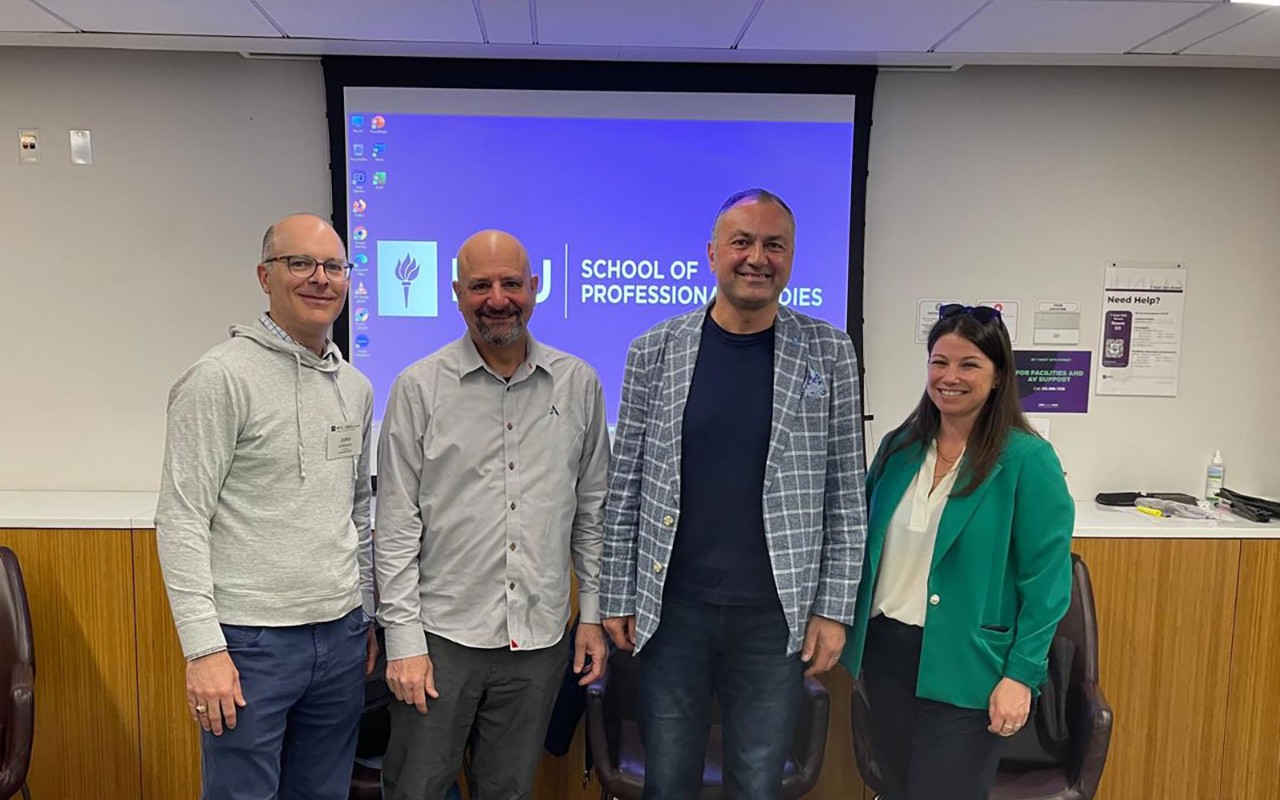
<p><span class="p-body">On April 20th, the HI Hub Incubator hosted the "Pitch Day Round Table: Beyond the Blank Page," an event designed to challenge the pressure of finding a "million-dollar idea" and instead focus on alternative, non-linear paths to entrepreneurship. Students and aspiring founders gathered to hear raw, real-world advice from a panel of industry veterans: <b>Carly Chase </b>(VP/GM, Career Business Franchise at U.S. News & World Report), <b>Bruce Rosard</b> (Co-founder and Chief Commercial Officer at Arival), and <b>John Williams </b>(President of American Guest).</span></p>
<p><span class="p-body">The panelists emphasized that there is no single right way to become a founder. Carly Chase shared that fifteen years ago, New York City wasn't the entrepreneurial hub it is today. She defined an entrepreneur as an "anti-fragile" problem solver who takes challenges and builds something better, noting that sales is one of the most critical roles of any founder. Bruce Rosard detailed his own non-linear journey, starting in baseball sales before eventually launching an events company based on destination experiences. His early exposure to sales and deep industry research laid the foundation for his success across multiple sectors. John Williams spoke to the power of the pivot, explaining that after working many different jobs, he completely transformed his business over twenty-five years. His core philosophy is that an entrepreneur must keep listening, learning, and talking to survive.</span></p>
<p><span class="p-body">The panel did not hold back on sharing common pitfalls for growing entrepreneurs. They warned against building a product without first understanding the actual problem it solves, and cautioned against chasing money too early. Instead of raising capital before it is truly needed, founders should focus on finding mentors and listening to the market. They also stressed that entrepreneurship is a mental grind; if you lack the passion to confidently say "I can do this," or if you don't understand how it will deeply affect your personal life, you aren't ready. Carly shared a major early career mistake where she bet her series on a product without getting honest consumer feedback, which ultimately failed. She advised the audience to practice failing, noting that "no's" are actually a good thing. Another panelist warned against rushing decisions and skipping due diligence, explaining that partnering with someone who lacks collateral can sink a business, making it crucial to have checks and balances in place.</span></p>
<p><span class="p-body">A major theme of the discussion was the importance of surrounding yourself with the right people. When looking for guidance on platforms like LinkedIn, the panel suggested asking for a "mentor" rather than an "advisor." Furthermore, these mentors shouldn't just be from within your industry; you need diverse perspectives from legal, healthcare, and other operational sectors. When it comes to equity, founders must be cautious. Equity depends heavily on where your company currently stands, and if someone asks for equity right off the bat before offering value to your mission, you should run. To keep these networks engaged, sending out a weekly update or monthly newsletter is a great way to hold yourself accountable while keeping everyone in the loop.</span></p>
<p><span class="p-body">While AI and technology are rapidly changing the business landscape, reminiscent of the .com era, the panelists stressed that soft skills are what truly make an entrepreneur. Tech is important for documenting, but building relationships requires picking up the phone or meeting in person. Because of this, the panel advised against jumping straight into remote work right out of the gate, as finding peers, joining industry associations, and networking is much harder behind a screen. They encouraged students to lean into the naturally helpful nature of the hospitality industry by simply asking professionals to meet.</span></p>
<p><span class="p-body">For those ready to start today, the panel's advice was clear: say yes to everything to gain industry experience, but also make sure you learn the mechanics of running a business. They encouraged students to attend field-related conferences and seek out internships, noting that students can often get into events for free if they simply ask. Ultimately, the more you put into your network, the more you get out of it. You must know your "why," talk to the market, and figure out why existing solutions aren't working before taking the leap.</span></p>