
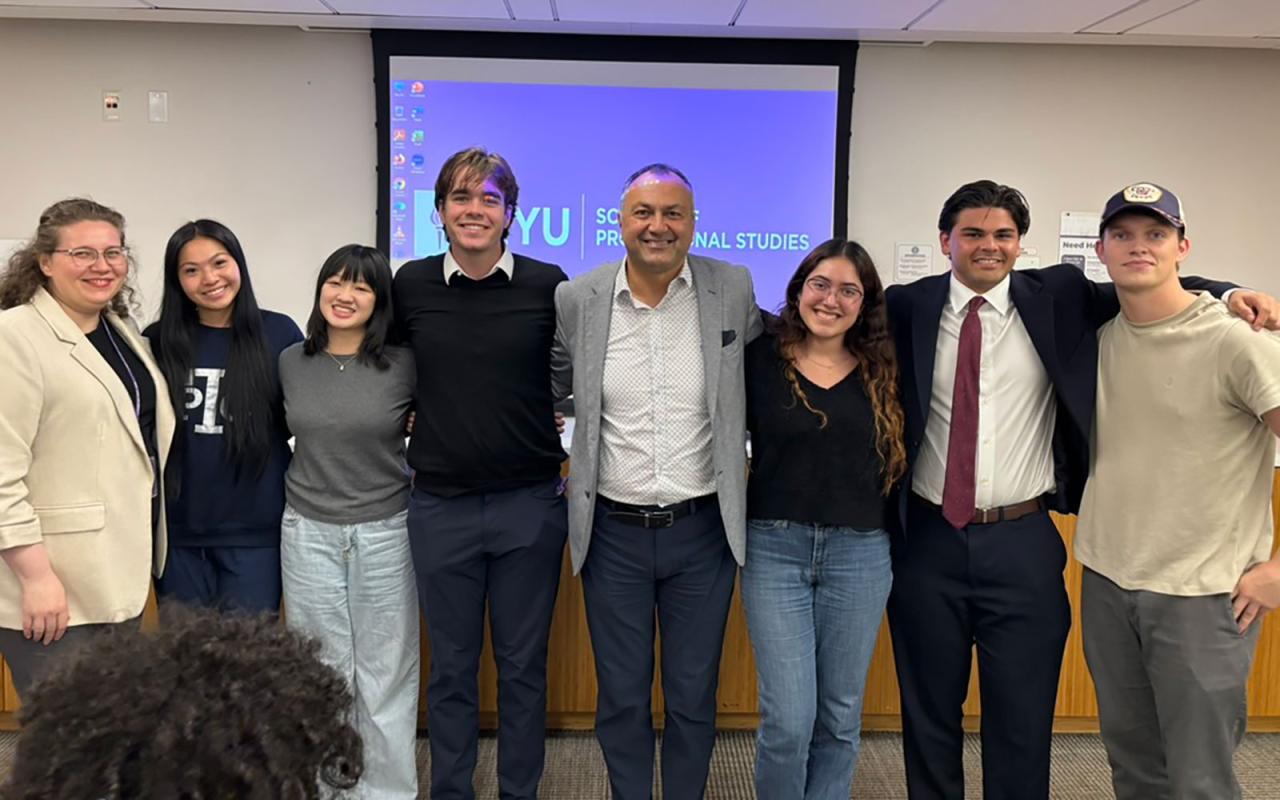
<p><span class="p-body">On Monday, May 6, NYU SPS Tisch Center of Hospitality students came together for a three-hour Hackathon dedicated to understanding Gen Z traveler behavior and envisioning the future of personalized travel marketing. This highly interactive session encouraged students to brainstorm creative ideas around emerging travel trends, app features, and marketing campaigns tailored for a new generation of travelers. The ideas generated during the session will inform future research efforts and reflect how young travelers want to experience the world.</span></p>
<p><span class="p-body">Throughout the event, groups shared standout examples of travel personalization. Many noted how tailored itineraries from cruise lines or hotels like Ritz Kids or Mövenpick’s Meera Kids Club elevated the guest experience by offering targeted recommendations based on age, past bookings, or lifestyle preferences. Mood-based travel was another creative direction, one concept involved selecting a trip based on a traveler’s current vibe or emotion, such as “main character energy” or “cozy village life,” instead of a specific destination. These campaigns showed how emotional connection can drive itinerary planning.</span></p>
<p><span class="p-body">In contrast, participants also examined what happens when travel recommendations fall short. Examples ranged from misleading TripAdvisor promotions to disappointing visits to highly commercialized landmarks like the American Dream Mall or the Hollywood Walk of Fame. Several students expressed that personalization must also involve filtering out tourist traps and experiences that feel inauthentic, especially when recommendations are driven by aesthetics rather than substance.</span></p>
<p><span class="p-body">The ideal travel app was a central theme in every presentation. Students envisioned platforms with AI chatbots, multilingual support, synced social media data, and even "comfort vs. discovery" sliders that adjust recommendations depending on the user's openness to new experiences. The goal was to create apps that feel intuitive and smart, learning from past behaviors while still offering meaningful surprises. Some even proposed that apps could explain why a new suggestion was being made, bridging familiarity and novelty.</span></p>
<p><span class="p-body">AI-driven travel content on social media was discussed as both an opportunity and a challenge. While students appreciated how platforms like TikTok and Instagram could inspire spontaneous travel decisions, they also warned about the risks of overexposure to trend-based content that lacks authenticity. One group suggested embedding AI into content discovery, using digital behavior to instantly match a viewer's feed with relevant, personalized travel options.</span></p>
<p><span class="p-body">Wishlist features were another key innovation proposed across groups. Rather than just saving destinations, some envisioned a “Drop Alert” system modeled after hype culture. Travelers could tag dream trips and receive alerts when prices, events, or trends aligned, turning passive interest into real-time bookings. Others recommended a tiered destination rating system (must-visit, tourist trap, or skip it) powered by community reviews and trend analysis, helping travelers make smarter, more informed decisions.</span></p>
<p><span class="p-body">Hyper-personalized campaigns were described as the future of travel marketing. Students imagined using passive data from music playlists, saved Instagram captions, Pinterest boards, or even group chats to generate emotion-driven itineraries. Instead of filling out surveys, this system would detect mood and interests organically, crafting trips that feel like extensions of a traveler’s inner world rather than generic vacation packages.</span></p>
<p><span class="p-body">Finally, the discussion closed with ideas for improving personalization today. Suggestions included increased collaboration with friends for group itineraries, concierge services in hospitality apps, dynamic pricing notifications, and integrating human touchpoints for a better balance between technology and service. The importance of cultural sensitivity, safety, and language access were also emphasized in building truly inclusive and personalized experiences.</span></p>
<p><span class="p-body">This Hackathon showcased the creativity and insight of the next generation of travel consumers, and perhaps future travel professionals. Their ideas reflected a deep understanding of how Gen Z navigates the world and a strong desire for authenticity, flexibility, and connection in travel planning. These insights will contribute directly to ongoing research and serve as inspiration for how destinations and travel brands can adapt to changing expectations.</span></p>