
Model
BBCC is a two-semester fellowship that combines applied group work with individual reflection and strategy. Fellows participate while remaining embedded in their professional roles, allowing ideas to be applied within their working lives.
The model is deliberately hybrid — in-person moments for relationship-building and collective momentum, online sessions for sustained collaboration across geographies. This allows for depth without requiring full-time disengagement from work.
Program
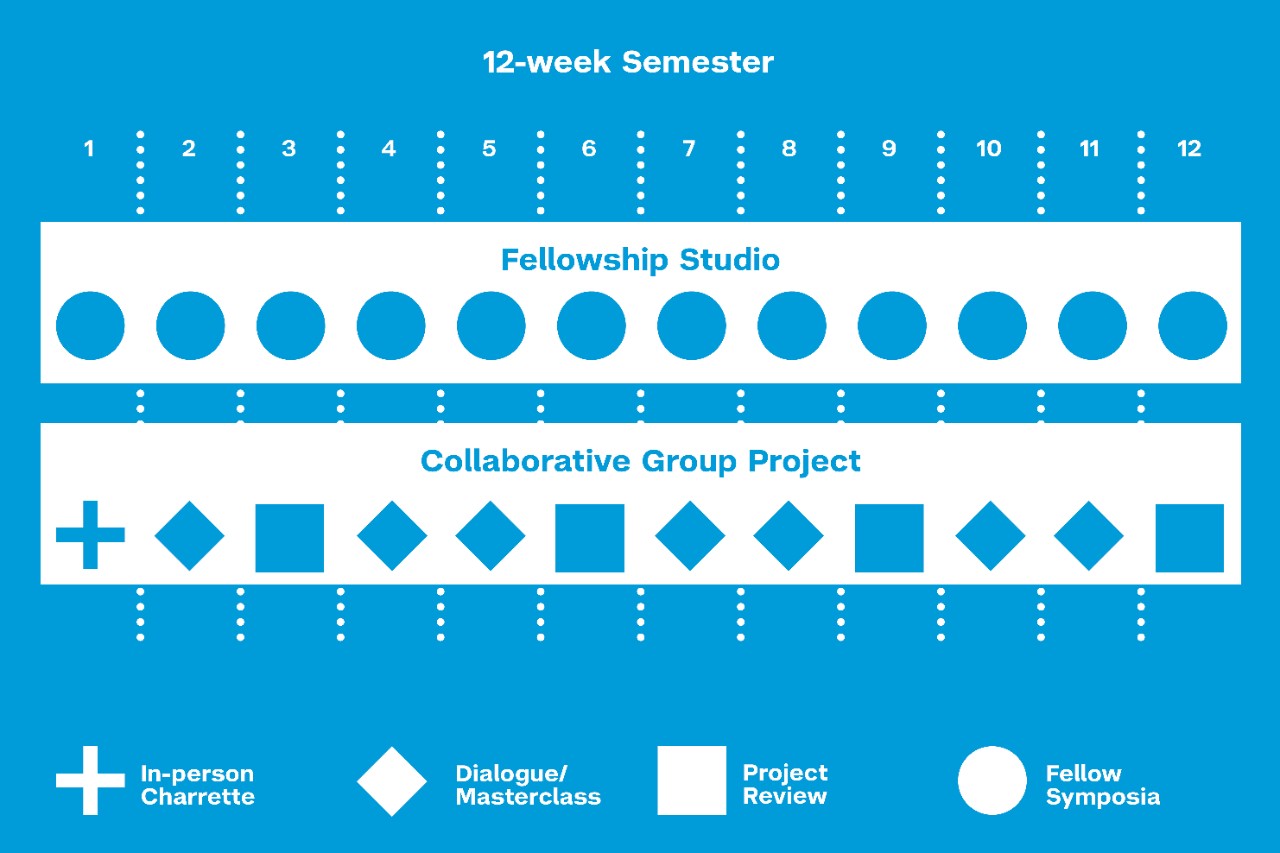
Each twelve-week semester combines two parallel strands: the Collaborative Group Project, focused on applied urban challenges, and the Fellowship Studio, focused on individual purpose and strategy.
In the first semester, Fellows concentrate on problem framing, systems analysis, and early concept development. In the second, they integrate testing, refinement, and articulation — shifting from exploration to synthesis.
Collaborative Group Project
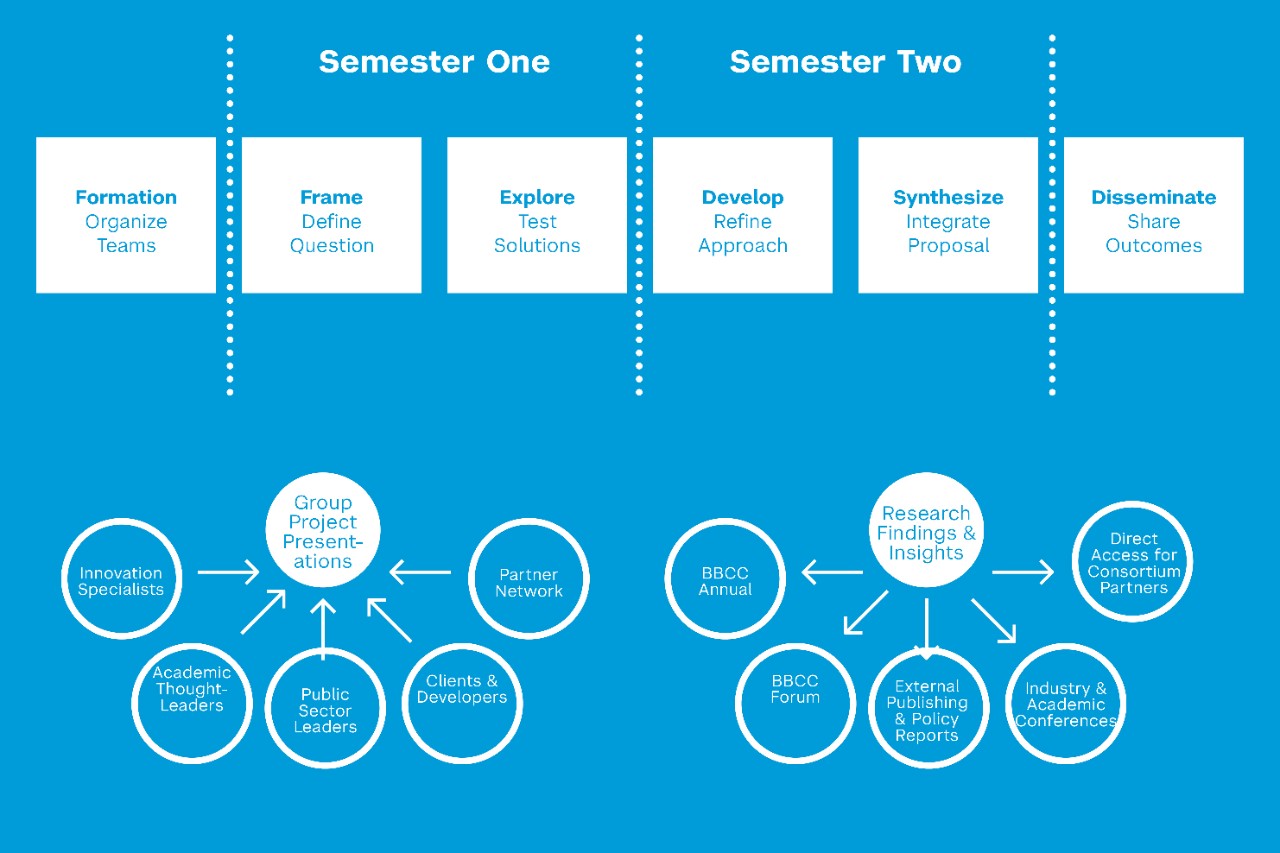
The Collaborative Group Project is the core component of BBCC. Fellows work in small, interdisciplinary teams to address a pressing urban challenge aligned with a research theme shaped by the BBCC participants themselves.
In the first semester, groups focus on understanding the challenge in depth—mapping context, identifying leverage points, and developing early spatial, financial, and strategic concepts. In the second semester, teams advance these ideas into fully formed proposals, testing feasibility, delivery pathways, and potential impact.
Projects are reviewed regularly by invited experts from industry, academia, and the public sector. The work culminates in a public presentation and the preparation of publishable outputs, ensuring that ideas are both rigorously developed and clearly communicated beyond the fellowship.
Fellowship Studio
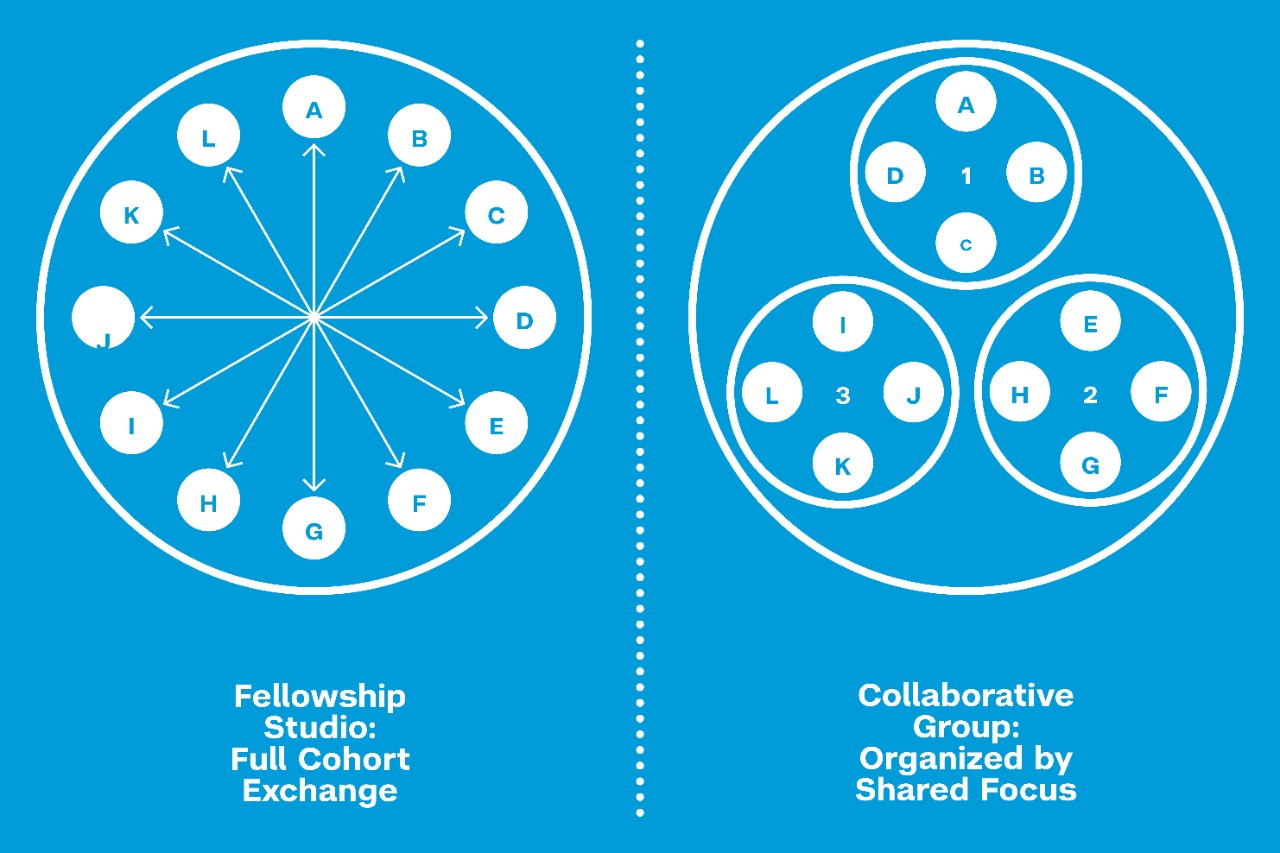
Running alongside the group project, the Fellowship Studio supports each Fellow’s individual development. It provides space to reflect on purpose, values, and long-term direction, and to connect personal ambition with the realities of urban change.
In the first semester, the studio focuses on inquiry—helping Fellows clarify what kind of impact they want to have in cities, and why. Through peer coaching, writing, and structured discussion, participants develop a personal “urban mission” that informs their group work.
In the second semester, the emphasis shifts to strategy. Fellows explore how ideas move from intention to action, testing pathways such as venture creation, institutional change, research, or public leadership. The studio supports practical judgment and readiness, helping Fellows leave the program with greater clarity about their next steps.